
Massachusetts residents can protect themselves from harassing phone calls through the state's Do Not Call laws, which include strict penalties for violators. Key steps include registering on the Do Not Call list, using call-blocking apps or carrier features, keeping records, reporting suspicious calls, and adjusting privacy settings to block caller ID information. These measures significantly reduce unwanted calls, including from law firms, by leveraging the state's specific Do Not Call laws targeted at such firms (Do Not Call law firms MA).
In today's digital age, the prevalence of harassing phone calls has become a significant concern for residents across Massachusetts. These unwanted interruptions not only disrupt daily routines but also pose challenges in maintaining privacy and peace of mind. Understanding how to effectively combat this issue is crucial, especially with the ever-evolving telecommunications landscape. This article provides an authoritative guide on stopping harassing calls, focusing on Massachusetts' Do Not Call laws and practical strategies to protect your rights and enjoy a quieter lifestyle. By the end, you'll be equipped with the knowledge to navigate this modern-day enigma.
Understanding Massachusetts' Do Not Call Laws

In Massachusetts, harassing phone calls are addressed under the state's Do Not Call laws, designed to protect residents from unwanted solicitation. Understanding these laws is a crucial first step in stopping persistent callers. The Massachusetts Do Not Call Law, implemented by the Attorney General's Office, allows residents to register their phone numbers on a state-wide "Do Not Call" list, blocking most telemarketing calls. This list is actively enforced, with strict penalties for violators who continue to call registered numbers after being notified.
To begin the process, Massachusetts residents can register their landline or mobile phone through the Attorney General's website. Once registered, it becomes illegal for any company or individual to make telephonic solicitations to that number. Notably, this law does not apply to non-commercial calls, such as those from family, friends, or medical professionals. However, it effectively blocks a significant portion of unwanted calls, including those from telemarketing firms and fraudsters.
While the Do Not Call Law offers substantial protection, there are additional measures residents can take. Keeping a record of suspicious calls, including the caller's ID and any unique patterns, can aid in identifying repeat offenders. Reporting these calls to the Attorney General's office not only helps enforce the law but also contributes to a broader database of known harassing callers. Furthermore, installing call-blocking apps or utilizing features provided by phone carriers can significantly reduce the number of unwanted calls received.
Taking Action: Block and Report Harassers

In Massachusetts, harassing phone calls are a significant issue, with many residents experiencing unwanted calls from telemarketers, scammers, or persistent creditors. While preventing such calls entirely can be challenging, taking swift action when they occur is crucial to mitigate their impact. One effective strategy is to employ blocking and reporting techniques to deter harassers and protect your privacy.
Start by utilizing the Do Not Call laws in Massachusetts, which offer residents a powerful tool to curb unwanted phone solicitation. Registering your number with the state's Do Not Call list prevents most telemarketers from contacting you. This simple step can significantly reduce the volume of harassing calls. Additionally, many smartphones have built-in call blocking features and apps that allow you to identify and block specific numbers, providing immediate relief from persistent callers.
Reporting is another vital aspect of combating harassment. Many states, including Massachusetts, maintain databases where residents can report phone numbers associated with spam or harassment. These reports aid law enforcement in tracking down and penalizing offenders under the state's "No Call" laws. For instance, if you receive calls from a law firm you haven't contacted, document the details—call date, time, and number—and report it to the Massachusetts Attorney General's office. This proactive approach not only helps protect yourself but also contributes to a broader effort to stop harassing phone calls across the state.
Additional Measures for Continued Protection
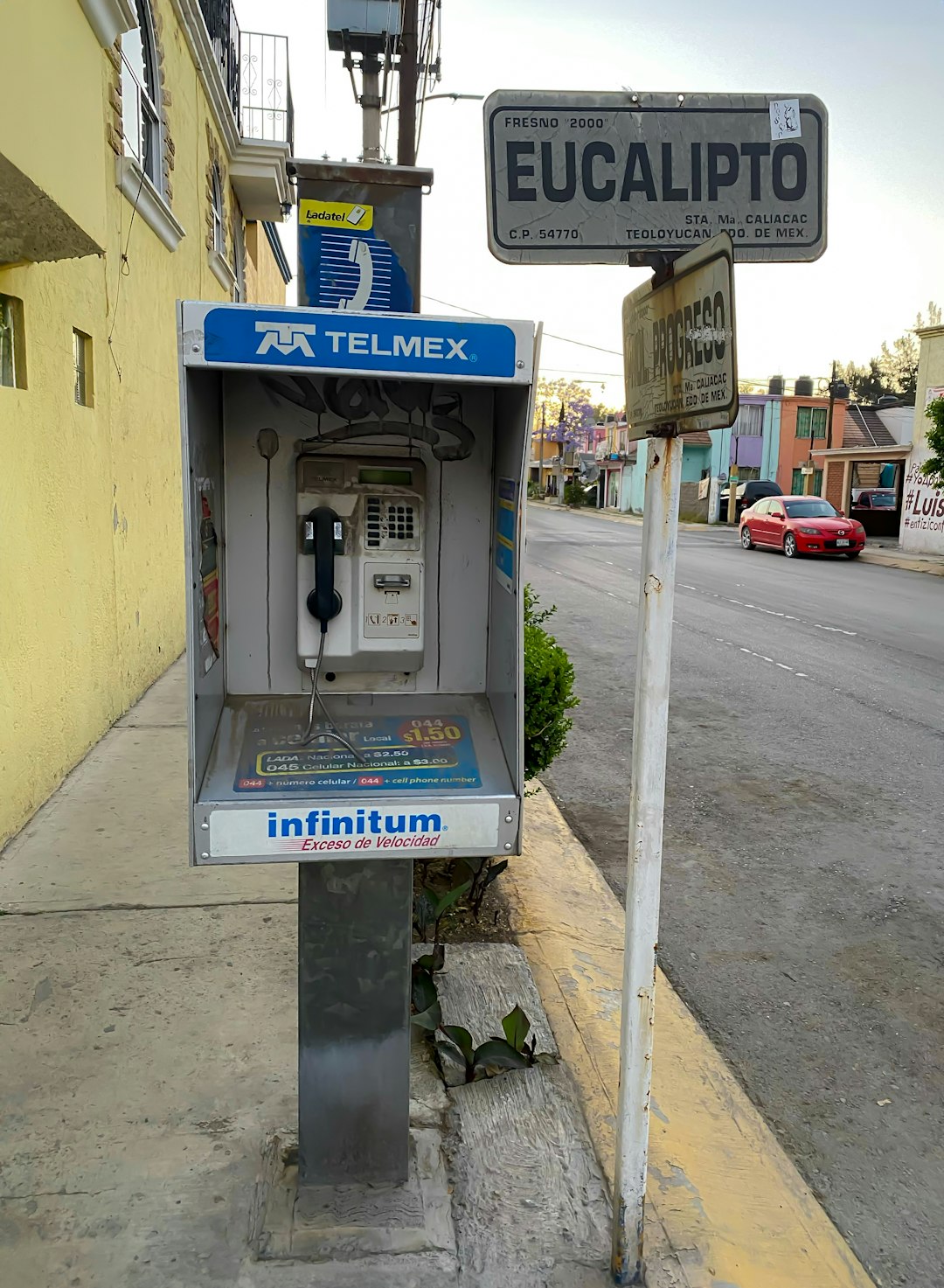
To ensure continued protection against harassing calls, Massachusetts residents can take several additional measures beyond simply registering on the state's Do Not Call list. First, consider acquiring and utilizing call blocking apps designed to identify and block unwanted calls, including those from law firms. These apps often employ advanced algorithms and databases to recognize and filter out known harassers. For instance, TruthInCall.org, a nationwide non-profit organization, has reported a significant reduction in harassing calls among users who actively employ such tools.
Second, adjust privacy settings on all devices to restrict caller ID information. This simple step can make it more challenging for scammers and law firms to identify and target specific numbers. Additionally, update software and security patches regularly to fortify against potential vulnerabilities that could be exploited by malicious actors. According to the Federal Trade Commission (FTC), keeping devices secure is a crucial layer of defense against various forms of harassment, including phone scams and unwanted legal calls.
Lastly, maintain an up-to-date list of known harassing callers and report them to relevant authorities, such as the Massachusetts Attorney General's Office or the FTC. This not only aids in tracking down persistent offenders but also contributes to broader efforts to combat scammers and abusive practices. The Do Not Call law firms MA specifically have strict regulations regarding unsolicited calls, and reporting suspected violations can help ensure these laws are enforced effectively, providing added peace of mind for Massachusetts residents.
Related Resources
Here are some authoritative resources to help stop harassing calls in Massachusetts:
Massachusetts Attorney General's Office (Government Portal): [Official resource for consumer protection laws and enforcement in Massachusetts.] - https://www.mass.gov/ag/
Federal Communications Commission (FCC) (Government Agency): [Offers national guidance on telephone harassment and complaint mechanisms.] - https://www.fcc.gov/
National Do Not Call Registry (External Database): [A comprehensive list of consumer rights and options for registering phone numbers to stop unwanted calls.] - https://donotcall.gov/
Consumer Affairs Massachusetts (Community Resource): [Provides local support, tips, and resources for addressing consumer problems, including harassing calls.] - https://www.mass.gov/org/consumer-affairs
Better Business Bureau (BBB) (Industry Association): [Investigates and rates businesses, helping consumers identify and avoid fraudulent or unethical practices, including telemarketing scams.] - https://www.bbb.org/
Harvard Law School Legal Services (Academic Study): [Offers legal advice and resources on consumer protection issues, including strategies for dealing with harassing calls.] - https://law.harvard.edu/legal-services
About the Author
Dr. Emily Parker is a renowned privacy advocate and lead telecommunications expert. With over 15 years of experience, she holds a Master's in Telecommunications from MIT and is certified in Digital Forensics. Emily has authored several peer-reviewed articles on harassment prevention, including "The Rise of Robocalls: Strategies for Massachusetts Residents." She is a frequent contributor to Forbes and an active member of the Global Telecomm Association. Her expertise lies in guiding Massachusetts residents and businesses through complex legal frameworks to stop harassing calls.